
A Comprehensive Guide on Materials Used For Custom Homes
Building custom homes is a complex process that requires careful selection of materials to balance durability, aesthetics, and functionality. Each material plays a crucial role in structural integrity, energy efficiency, and overall design. From framing to finishes, the choice of building materials directly affects the performance, longevity, and value of a home. Seeking professional guidance throughout this process helps homeowners make informed decisions and ensures that each component is installed correctly. This guide explores the most commonly used materials in custom homes and highlights considerations for construction and design.
Selecting Framing Materials
Framing provides the skeleton for custom homes, determining their stability and load-bearing capacity. Wood framing is widely used due to its versatility, affordability, and ease of construction. Softwood species like pine and fir are common choices for studs, joists, and rafters. According to the National Association of Home Builders, the average new single-family home uses more than 2,200 square feet of softwood plywood. This material is often applied in sheathing, subfloors, and roof decking.
Steel framing is another option, particularly in regions prone to termites, fire hazards, or extreme weather. Steel offers high strength and durability while remaining lightweight. Using steel or engineered wood beams can allow for larger open spaces without compromising structural stability. Professionals assess factors such as load distribution, local building codes, and climate conditions to select framing materials that support both design goals and long-term performance.
Utilizing Insulation Materials
Insulation is critical in custom homes for maintaining comfort, reducing energy consumption, and managing sound transmission. Common insulation materials include fiberglass, cellulose, spray foam, and mineral wool. Fiberglass is widely used due to its affordability and ease of installation in walls and attics. Cellulose, often made from recycled paper products, provides excellent thermal performance and can fill irregular cavities more effectively.
Spray foam insulation expands to seal gaps, preventing air leaks and improving energy efficiency. Mineral wool offers superior fire resistance and sound absorption, making it suitable for both interior walls and ceilings. Professional builders assess the appropriate type, thickness, and installation method to maximize insulation performance. Proper insulation selection contributes to lower heating and cooling costs while maintaining a comfortable indoor environment throughout the year.
Applying Exterior Materials
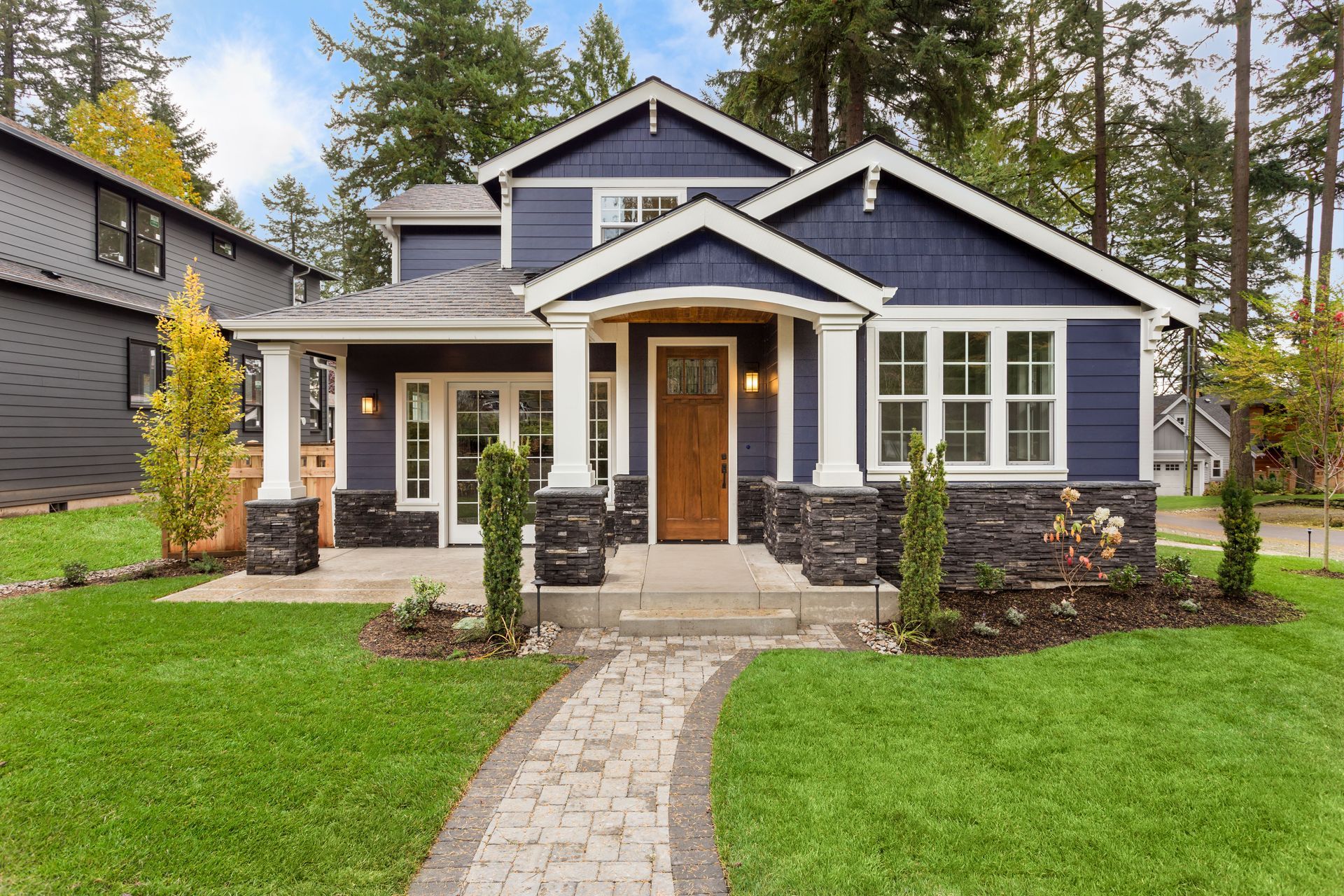
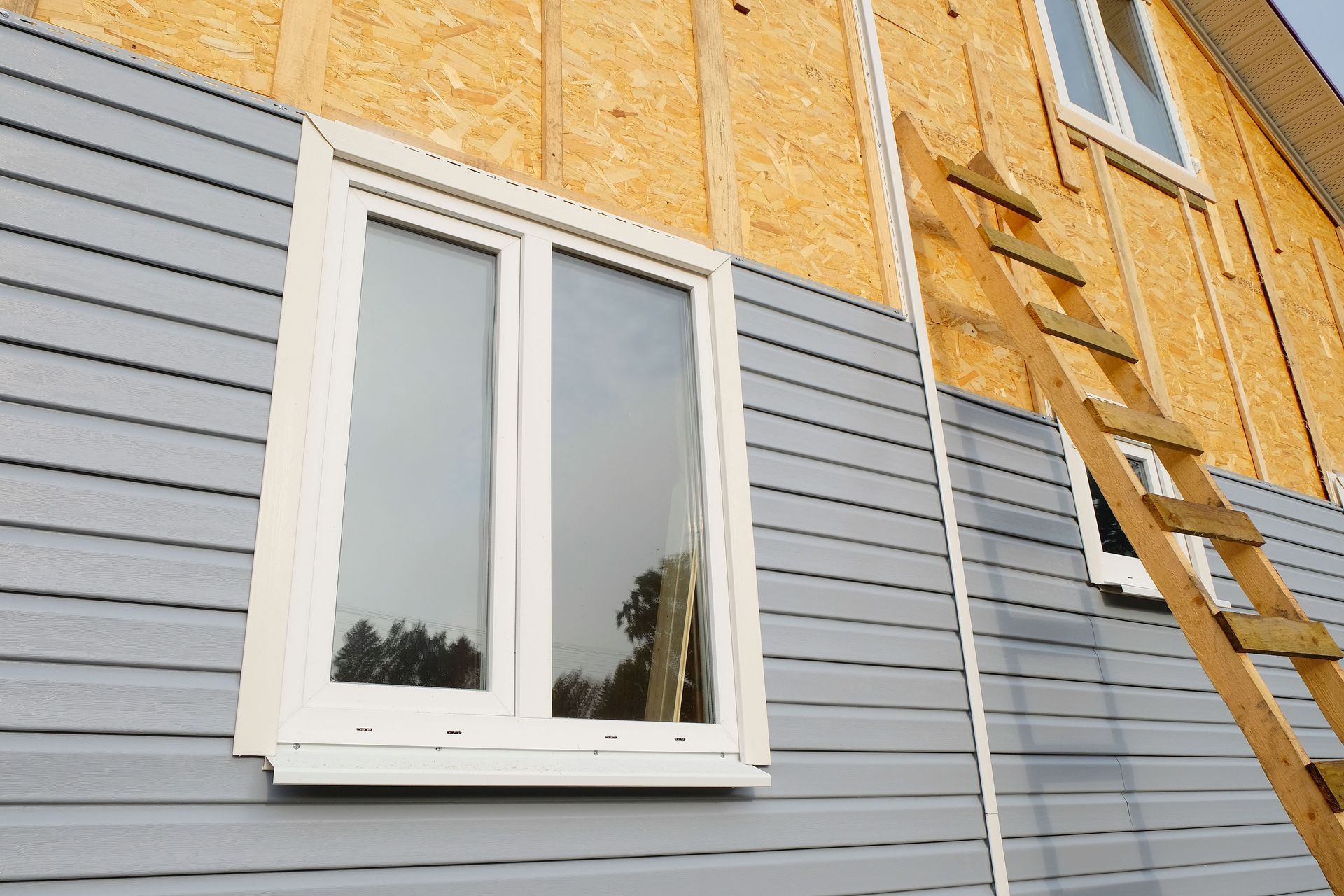
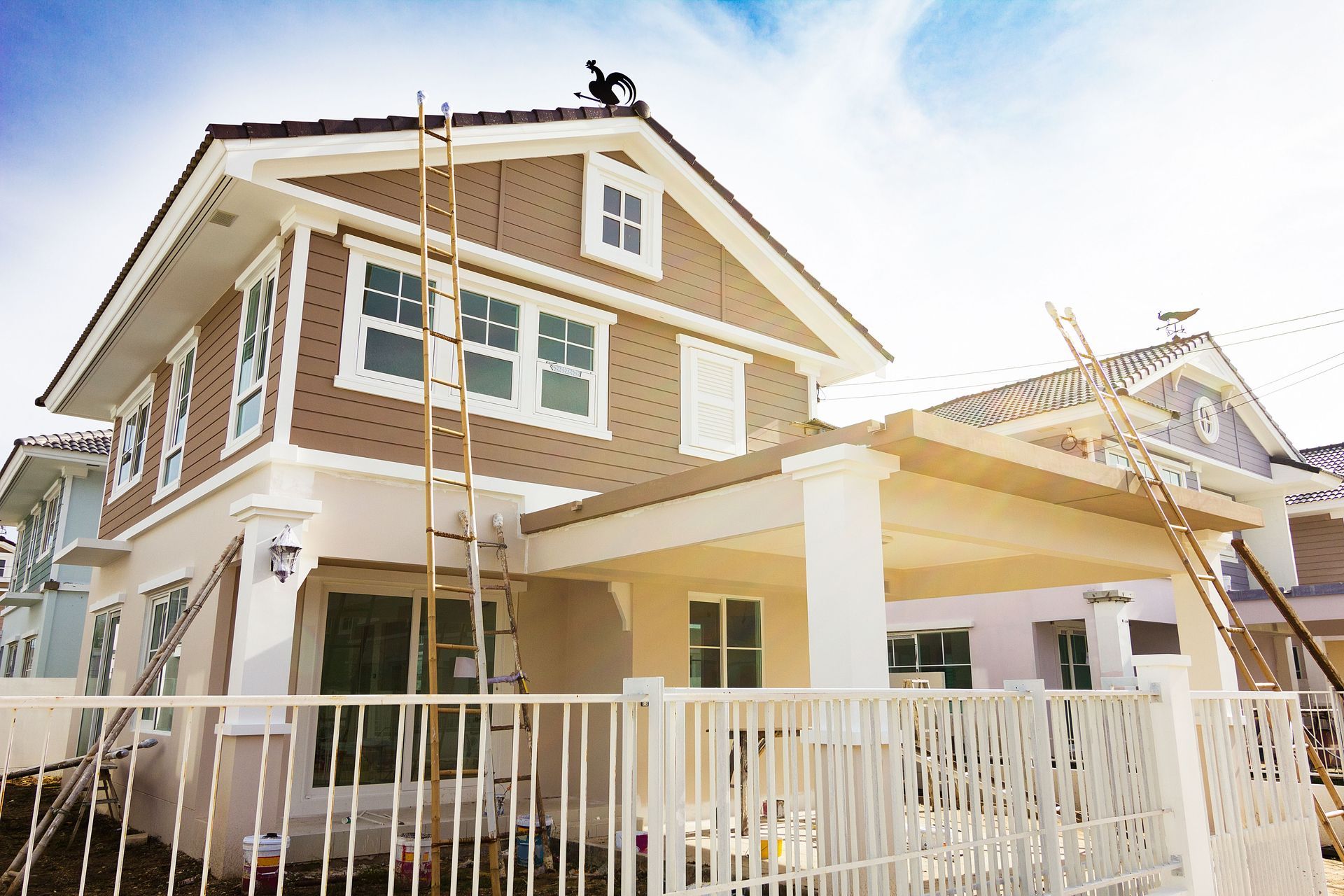
The exterior finish of custom homes not only affects aesthetics but also protects the structure from environmental stress. Brick and stone are popular for their durability, weather resistance, and timeless appeal. They require precise installation techniques and foundation preparation to prevent settling and moisture intrusion. Siding materials, including fiber cement, vinyl, and wood, offer varied textures and colors to complement architectural style.
Fiber cement siding combines durability with design flexibility, mimicking wood or stucco while resisting rot and insects. Vinyl siding is cost-effective and low-maintenance, offering a wide palette of colors and finishes. Wood siding delivers natural beauty but requires routine treatment and professional installation to prevent decay. Roofing materials, such as asphalt shingles, metal panels, clay tiles, or slate, must be coordinated with exterior walls to maintain both performance and visual harmony. Professionals evaluate climate, exposure, and material lifespan when selecting exterior finishes.
Integrating Flooring Materials
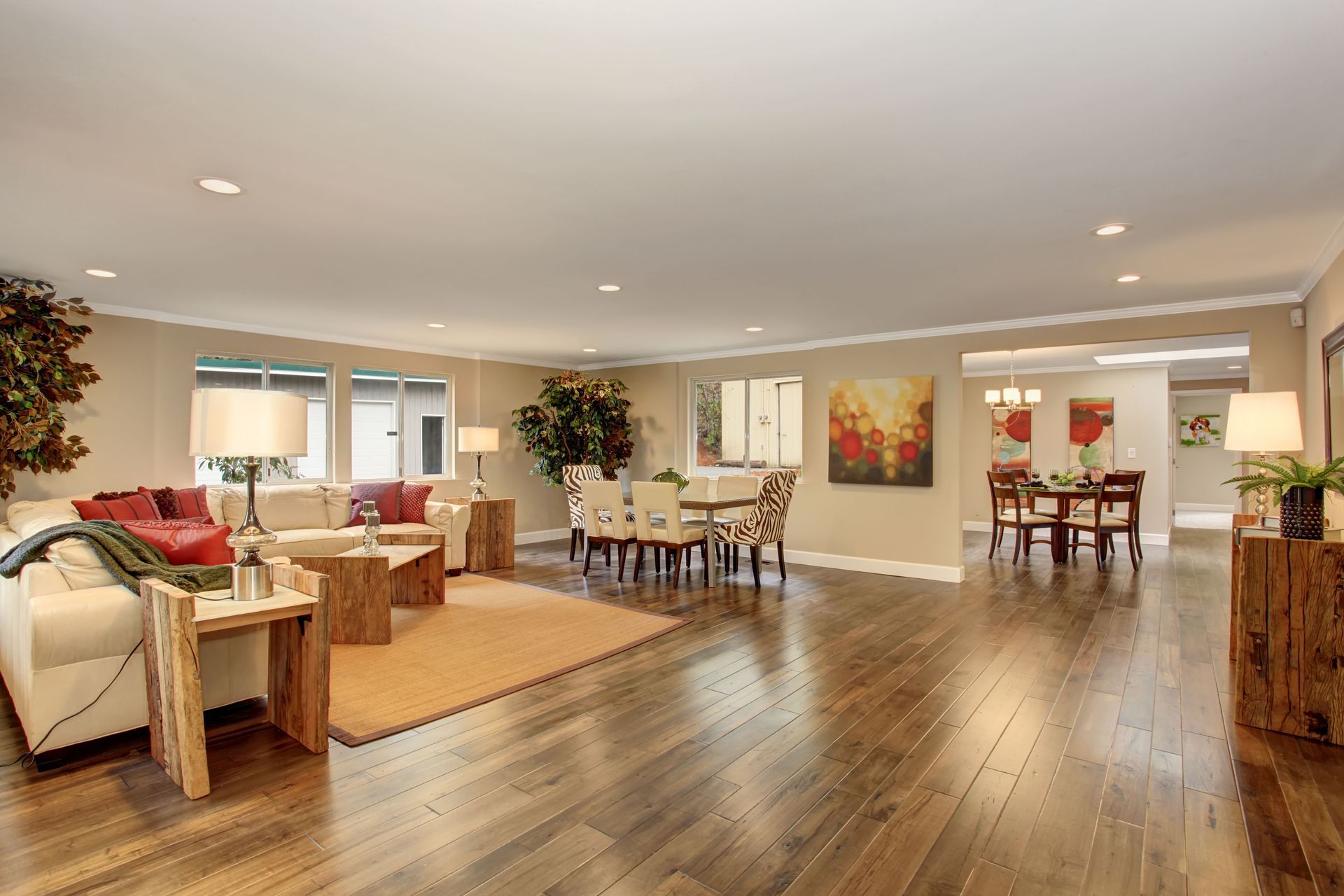
Flooring contributes to both the visual appeal and functionality of custom homes. Hardwood flooring is a premium choice, valued for its natural beauty, durability, and ability to be refinished multiple times. Engineered wood offers similar aesthetics with enhanced resistance to moisture and temperature changes. Tile, stone, and porcelain provide durability in high-traffic areas and wet spaces like kitchens and bathrooms.
Carpet remains a popular option for bedrooms and living areas, offering softness and insulation. Professionals select flooring materials based on room function, anticipated foot traffic, and desired maintenance levels. They also evaluate subfloor preparation and installation techniques to prevent issues such as warping, cracking, or uneven surfaces. Proper flooring installation contributes to the longevity of the home while enhancing overall comfort and design.
Installing Windows and Doors
Windows and doors impact natural light, ventilation, energy efficiency, and security in custom homes. Common materials include wood, aluminum, vinyl, and fiberglass. Wood frames offer classic aesthetics and insulation but require maintenance to prevent weathering. Vinyl and fiberglass provide durability and low maintenance while maintaining thermal efficiency. Aluminum frames are lightweight and strong, suitable for large panes and modern designs.
Professionals ensure precise installation to prevent air and water infiltration, which can compromise energy performance and structural integrity. Energy-efficient glazing and weatherstripping are selected to reduce heat loss or gain. Window and door placement is coordinated with interior layouts and exterior design elements to maximize natural light, views, and curb appeal.
Choosing Interior Finishes
The interior finishes of a home complete the aesthetic vision while protecting surfaces from wear and moisture. Drywall, plaster, or paneling are common wall materials, with various textures and paint finishes available. Tile, stone, and vinyl may be used in wet areas, while hardwood, engineered wood, and carpet are typical for living spaces.
Cabinetry and countertops are selected for both functionality and design impact. Natural stone, such as granite or quartz, offers durability and elegance, while laminate or solid-surface options provide budget-friendly alternatives with a wide range of colors and patterns. Professionals guide selection based on lifestyle needs, cleaning considerations, and long-term performance. Proper installation prevents water damage, uneven surfaces, and premature wear.
Implementing Structural and Safety Materials
Custom homes require structural reinforcements and safety features to meet building codes and protect occupants. Fire-rated drywall, steel reinforcements, and hurricane-resistant fasteners are used in high-risk areas. Smoke and carbon monoxide detectors, along with properly installed electrical and plumbing systems, contribute to long-term safety.
Professional contractors also evaluate earthquake-resistant or flood-resistant materials in regions prone to natural disasters. Reinforced concrete, impact-resistant windows, and treated wood can enhance durability while maintaining aesthetic standards. Attention to safety materials not only protects residents but also contributes to the home’s resale value and insurance compliance.
Incorporating Sustainable Materials
Sustainable building materials are increasingly common in custom homes for environmental benefits and long-term cost savings. Reclaimed wood, bamboo, recycled metal, and low-VOC paints reduce environmental impact while providing durable and attractive options. Energy-efficient windows, insulated doors, and renewable energy systems further enhance sustainability.
Professionals evaluate material sourcing, lifecycle, and energy performance to recommend sustainable solutions that align with the home’s design and performance goals. Proper selection and installation of sustainable materials can reduce utility costs, improve indoor air quality, and contribute to environmentally responsible construction practices.
Selecting Plumbing and Electrical Materials
Plumbing and electrical systems are critical components of custom homes, affecting functionality, safety, and long-term maintenance. Common plumbing materials include copper, PEX, and PVC pipes, each chosen based on water pressure requirements, durability, and compatibility with fixtures. Copper offers corrosion resistance and longevity, while PEX provides flexibility and ease of installation for complex layouts. PVC is often used for drain and vent systems, offering cost-effective and reliable performance.
Electrical wiring, panels, and outlets must meet local building codes and accommodate the home’s energy needs. Copper wiring is standard for most circuits due to its conductivity and reliability, while specialized systems such as aluminum or low-voltage wiring may be used for specific applications. Professionals also install circuit breakers, grounding systems, and surge protection to protect both residents and appliances. Proper selection and installation of plumbing and electrical materials prevent leaks, short circuits, and other costly issues, contributing to the safety and efficiency of the home.
Selecting materials for custom homes requires careful consideration of structural, functional, and aesthetic factors. From framing and insulation to flooring, exterior finishes, and sustainable materials, each choice impacts durability, energy efficiency, and overall value. Seeking professional help throughout the construction process ensures that materials are installed correctly, meet performance expectations, and contribute to the long-term success of the home. For guidance on building high-quality, custom homes at reasonable prices, contact Armstrong Construction Co Inc today to explore your options!
Share On: